My Must-Have Bento Tools from the 100 Yen Shop 🍱
Every morning, I make a bento box for my child before school. Over the years, I’ve found a few simple tools that make bento-making so much easier — and they’re all from the 100 yen shop! (That’s about $0.70 USD each!)
In Japan, the 100 yen shop (百円ショップ) is basically a national treasure. Daiso, Seria, and Can★Do are the big three, and they carry an incredible range of bento supplies — cups, molds, picks, boxes, you name it. Here are the ones I actually use every single week.
🌸 Silicone & Paper Cups
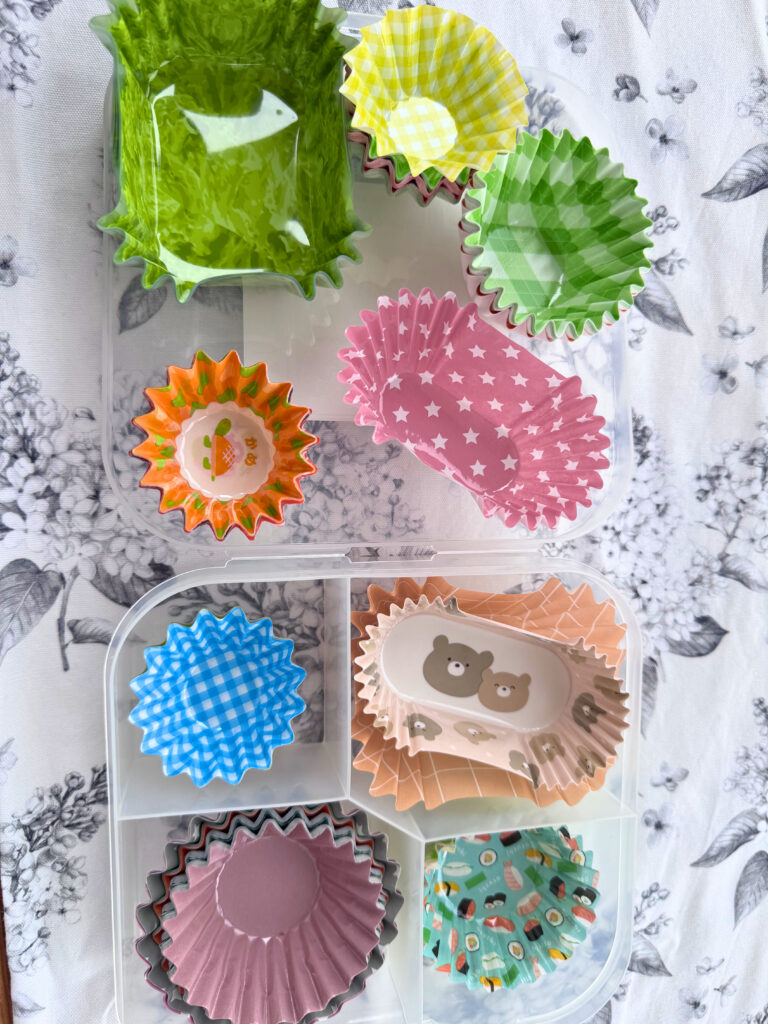
These little cups are a total game-changer. They keep each side dish separate so the flavors don’t mix together — nobody wants tamagoyaki that tastes like pickled plum. They also make the bento look colorful and cute, which honestly makes my kid more likely to eat everything inside.
You can find them in so many designs — flowers, animals, seasonal patterns (cherry blossoms in spring, snowflakes in winter). Paper ones are disposable and great for everyday use. Silicone ones can be washed and reused hundreds of times, so they’re more eco-friendly and cost-effective in the long run.
🥕 Vegetable Cutters & Molds
This is where bento-making goes from practical to adorable. These small cookie-cutter-style tools let you cut carrots, cucumbers, or cheese into stars, hearts, flowers, and animals in seconds. My kids used to love finding a star-shaped carrot in their box — it made them feel like their lunch was special.
You can also get molds for shaping rice balls (onigiri) into bears, pandas, or cars. My boys are too old to care about shaped rice now, but when they were little, this was the easiest way to get them excited about eating vegetables and plain rice.
🍢 Bento Picks
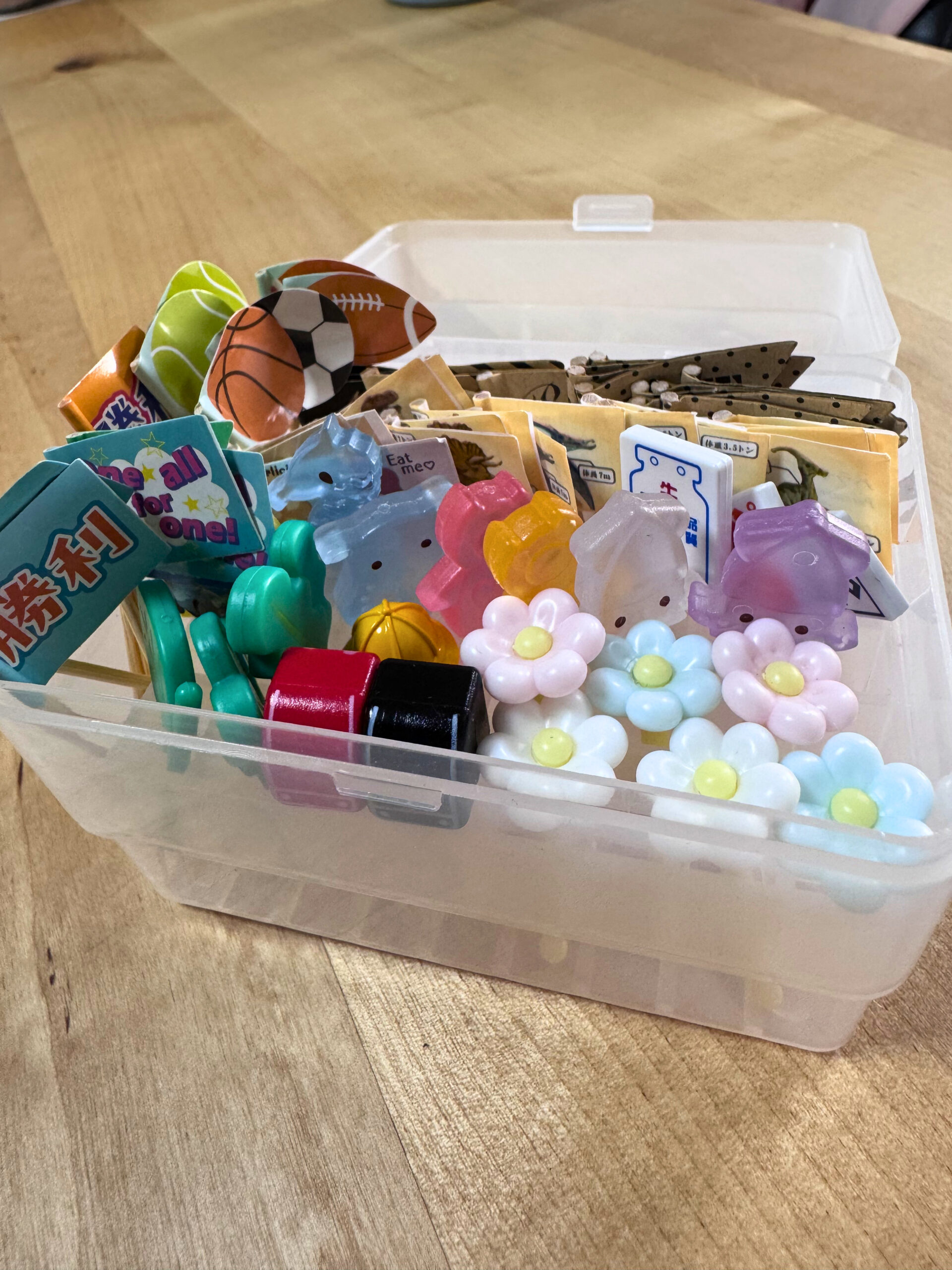
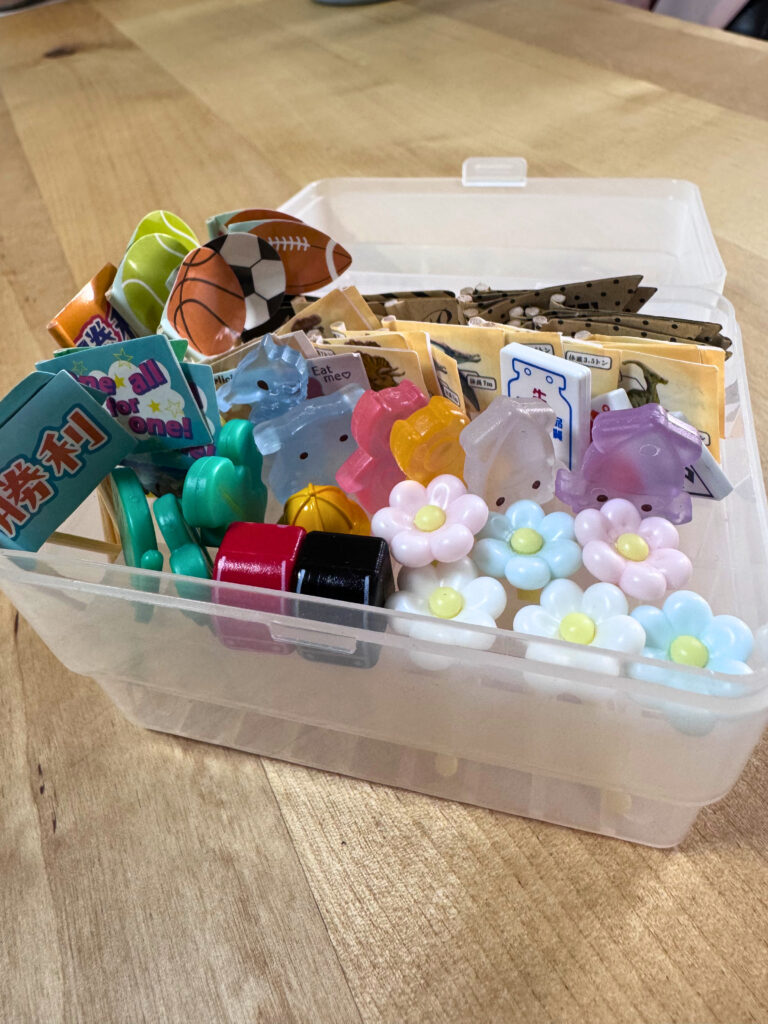
Bento picks are one of those small things that make a big difference. They’re the little skewers or decorative food picks you use to hold rolled foods together or make individual bites easier to eat. My kids never complained about eating their vegetables when there was a cute panda pick sticking out of them.
You can find them in all kinds of designs — animal faces, seasonal characters, simple toothpick-style ones. They’re usually sold in packs of 30 to 50 for 110 yen, which makes them incredibly cheap for how much personality they add to a bento. I keep a few different sets on hand and swap them out depending on the season or my mood.
🛡️ Antibacterial Bento Sheets
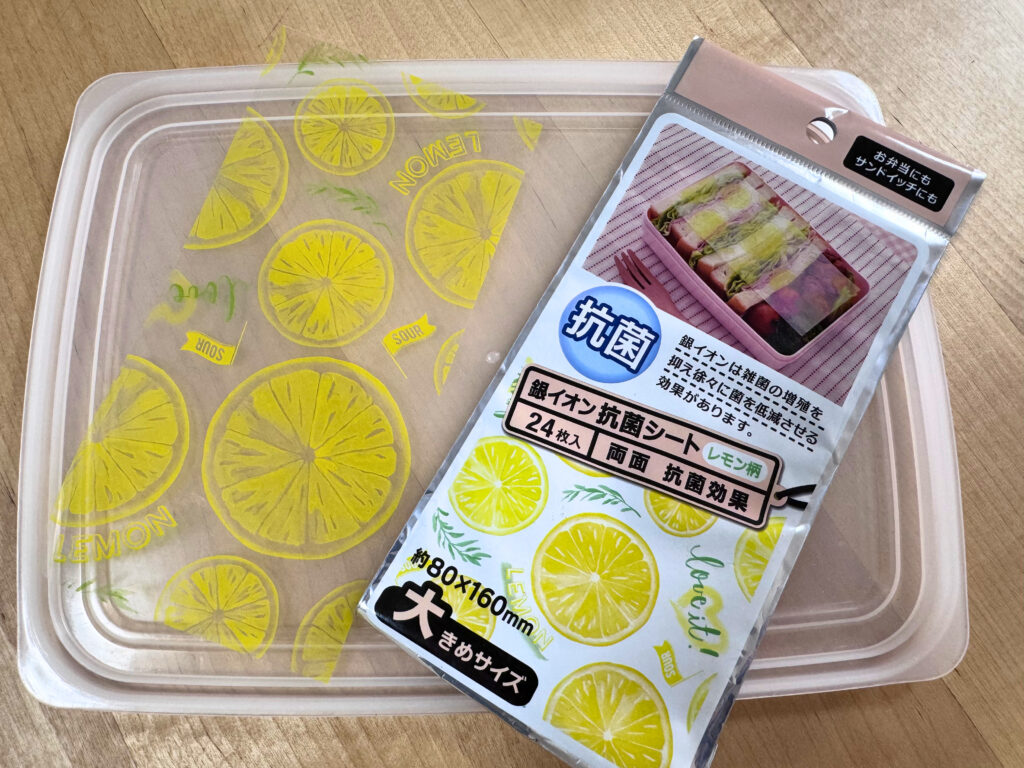
This one might surprise you if you’re not from Japan — antibacterial bento sheets are thin, disposable sheets you place on top of the food before closing the lid. They’re designed to slow bacterial growth, which matters a lot in Japan’s hot, humid summers. Opening a bento at noon to find spoiled food is every bento mom’s nightmare, and these sheets help prevent exactly that.
They also come in adorable designs — pastel colors, little animals, seasonal patterns. So even if your kid opens their bento at school, it looks neat and intentional, not like you just threw a sheet in there. One sheet per bento, toss it after use. A pack of around 50 sheets runs 110 yen, making it one of the cheapest bits of peace of mind you can buy.
🍱 A Good Bento Box Itself
The 100 yen shop actually sells decent bento boxes too. They come in two-tier designs, leak-proof styles, and even insulated ones. For everyday school use, a simple two-tier box with a secure lid is all you really need.
I keep a few different sizes — a bigger one for my older son (junior high boys eat a lot), and a smaller one for when my younger one has a half-day and doesn’t need as much food. Having options makes a difference in the morning when you’re trying to pack efficiently.
🏠 Why bento culture matters in Japan
In Japan, making a bento for your child is more than just packing lunch — it’s a form of care. There’s something called “ai no bento” (愛のお弁当 — “love bento”) that captures this feeling perfectly. A lot of thought goes into it: nutrition balance, color variety, what the child likes, what season it is.
That said, bento culture can also feel like pressure. Instagram-worthy kyaraben (character bento) with perfectly sculpted pandas and anime characters exist, but real everyday bento is much simpler. My bento philosophy: three colors, one protein, one vegetable, and something the kid will actually eat. Done.
The 100 yen shop makes all of this doable without spending a fortune. You don’t need fancy equipment to make a good bento — just a few smart, cheap tools and a little routine. 🌸