The Secret Behind Japanese Tamagoyaki That Most Foreigners Don’t Know About
Have you ever eaten tamagoyaki at a Japanese restaurant and thought, “Wait… how is this SO good?” It looks so simple. Just eggs, right?
I’ll let you in on a little secret. It’s not a special technique. It’s not some chef thing. It’s a small bottle that’s been sitting in my mom’s kitchen my whole life — and honestly, in pretty much every Japanese mom’s kitchen across the country.
It’s called shiro dashi (白だし). And once you know about it, you’re going to start spotting it everywhere.
So what even is shiro dashi?
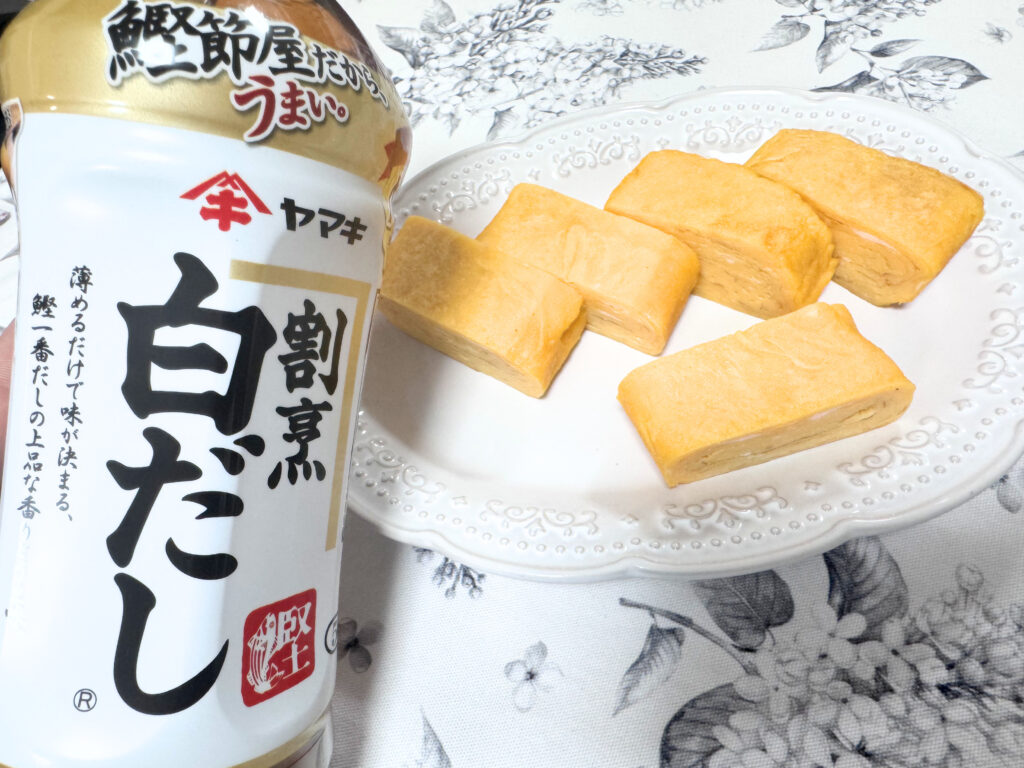
Shiro dashi literally means “white dashi.” It’s a light golden seasoning made from dashi stock (kombu and bonito flakes), light soy sauce, mirin, and salt. Unlike regular soy sauce — which is dark and pretty bold — shiro dashi is soft, subtle, and pale in color.
That subtlety? That’s what makes it so good.
When you add it to eggs, it doesn’t take over. It just… lifts everything. The eggs stay bright yellow. The flavor stays clean. And the tamagoyaki ends up tasting exactly like something made in a Japanese home kitchen. Because that’s exactly what it is.
This has always just been our family’s flavor
Growing up in Nagoya, shiro dashi was just… always there. Next to the soy sauce. Always ready. We didn’t really think about it — it was just part of how we cooked.
Tamagoyaki with shiro dashi was what tamagoyaki tasted like. Full stop. It went into breakfast, got packed into bento boxes, and always showed up on the table on temaki sushi nights — sliced up and ready to roll with tuna and cucumber and whatever else we had.
It didn’t matter if it was a regular Tuesday morning or one of those big family dinner nights where everything gets spread out on the living room floor. The tamagoyaki always tasted the same: soft, a little sweet, savory in that deep, quiet way. Comforting in a way that’s hard to explain.
It wasn’t until I started talking with people outside Japan that I realized — oh, not everyone uses this. For a lot of people, tamagoyaki is just eggs and sugar, or eggs and soy sauce. Which is totally fine! But it’s missing that something. That layer. That little bit of magic.
That’s shiro dashi.
Why does it make such a difference?
Tamagoyaki looks simple, but getting it right — that silky texture, the balance between sweet and savory — actually takes a bit more than just technique.
Umami without the weight. Regular soy sauce brings umami, but it also darkens the eggs and can taste a little sharp. Shiro dashi gives you that same savory depth without any of those downsides. The eggs stay golden, the flavor stays gentle.
Natural sweetness. Shiro dashi has mirin in it, which adds a soft, refined sweetness. You don’t need a ton of sugar. Sometimes none at all. The flavor just balances itself out.
That smell. You know that warm, dashi-y scent you get from Japanese home cooking? The one that makes you hungry before you even take a bite? That’s shiro dashi doing its thing.
It’s not just for tamagoyaki, by the way
Once you start using shiro dashi, you kind of want to put it in everything. In our kitchen it goes into chawanmushi, udon broth, stir-fried veggies, Japanese-style pasta, even mashed potatoes and fried rice.
It’s one of those ingredients that just makes things taste a little more… Japanese. In the best way. The flavor is hard to describe at first, but if you grew up with it, it’s like coming home.
Bento box MVP
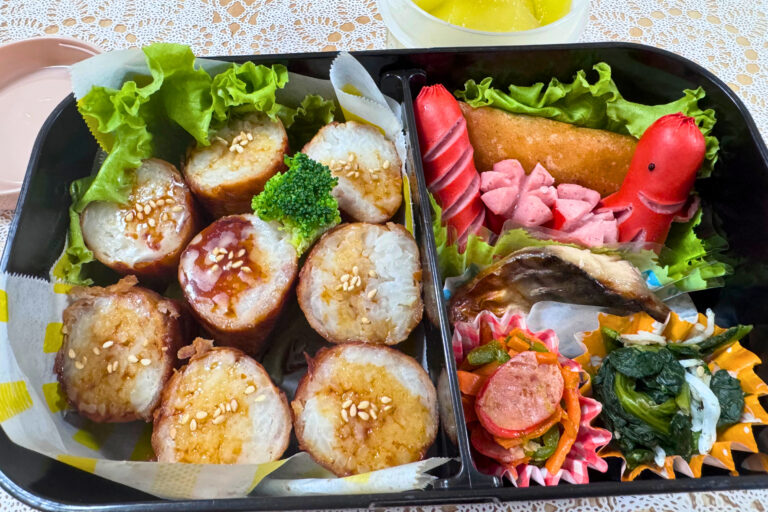
If I had to pick one place where shiro dashi tamagoyaki really shines, it might be the bento box.
Good bento food needs to taste good at room temperature, hours after it was made. Shiro dashi tamagoyaki holds up perfectly. It doesn’t dry out, it doesn’t go flat. The umami keeps it interesting, the texture stays soft, and next to a scoop of rice and some pickles, it looks genuinely lovely.
And on temaki sushi nights? It’s always the first thing to disappear. Everyone’s reaching for it. It just works with everything.
Can you find shiro dashi outside Japan?
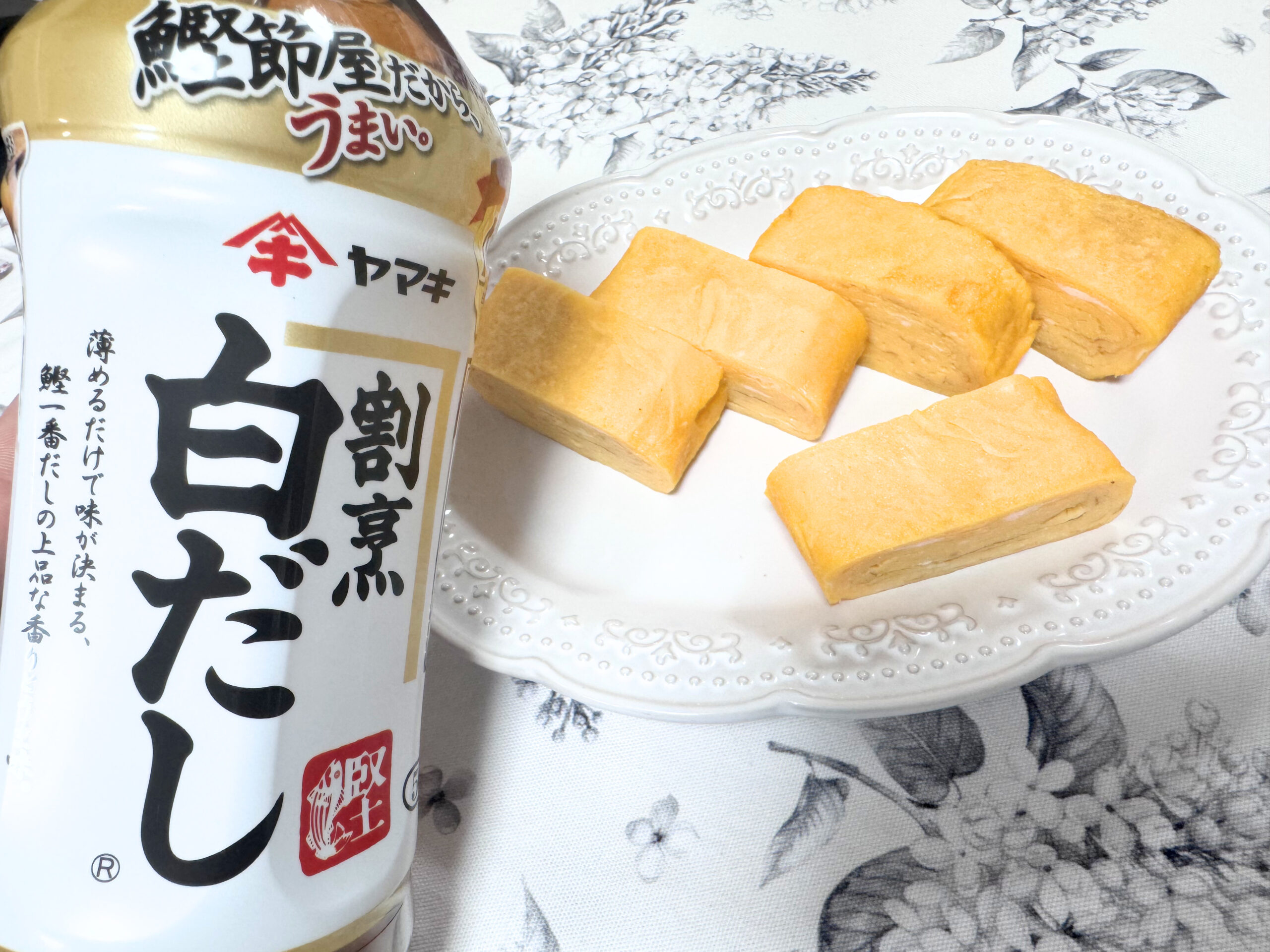
Good news — yes, it’s getting easier! A lot of Asian grocery stores carry it now, and you can find it online pretty easily. The one we’ve always used is Yamaki’s 割烹白だし (Kappo Shiro Dashi). It’s the classic.
If you’ve never tried it, start with tamagoyaki. It’s the easiest way to see what shiro dashi can do — and once you taste the difference, you’ll totally get why this little bottle has been a Japanese kitchen staple forever.
The taste of home
Food carries memory in a way nothing else does. For me, shiro dashi tamagoyaki is school mornings in Nagoya. It’s opening a bento box in the sun. It’s everyone crowded around the table with nori and chopsticks and way too many little dishes.
It’s a flavor I grew up with — and one I really hope to pass on.
If you’re curious about real Japanese home cooking — not the fancy restaurant version, but the everyday stuff that actually happens in Japanese kitchens — shiro dashi is a great place to start. It’s simple, it’s subtle, and it might just change the way you think about eggs.