Inside a Japanese Elementary School Kid’s Randoseru 🎒
One thing that always surprises people outside Japan is the randoseru — the structured, hard-shell backpack that almost every Japanese elementary school child carries. It’s not just a bag. It’s a symbol of childhood in Japan. 🇯🇵
What Is a Randoseru?
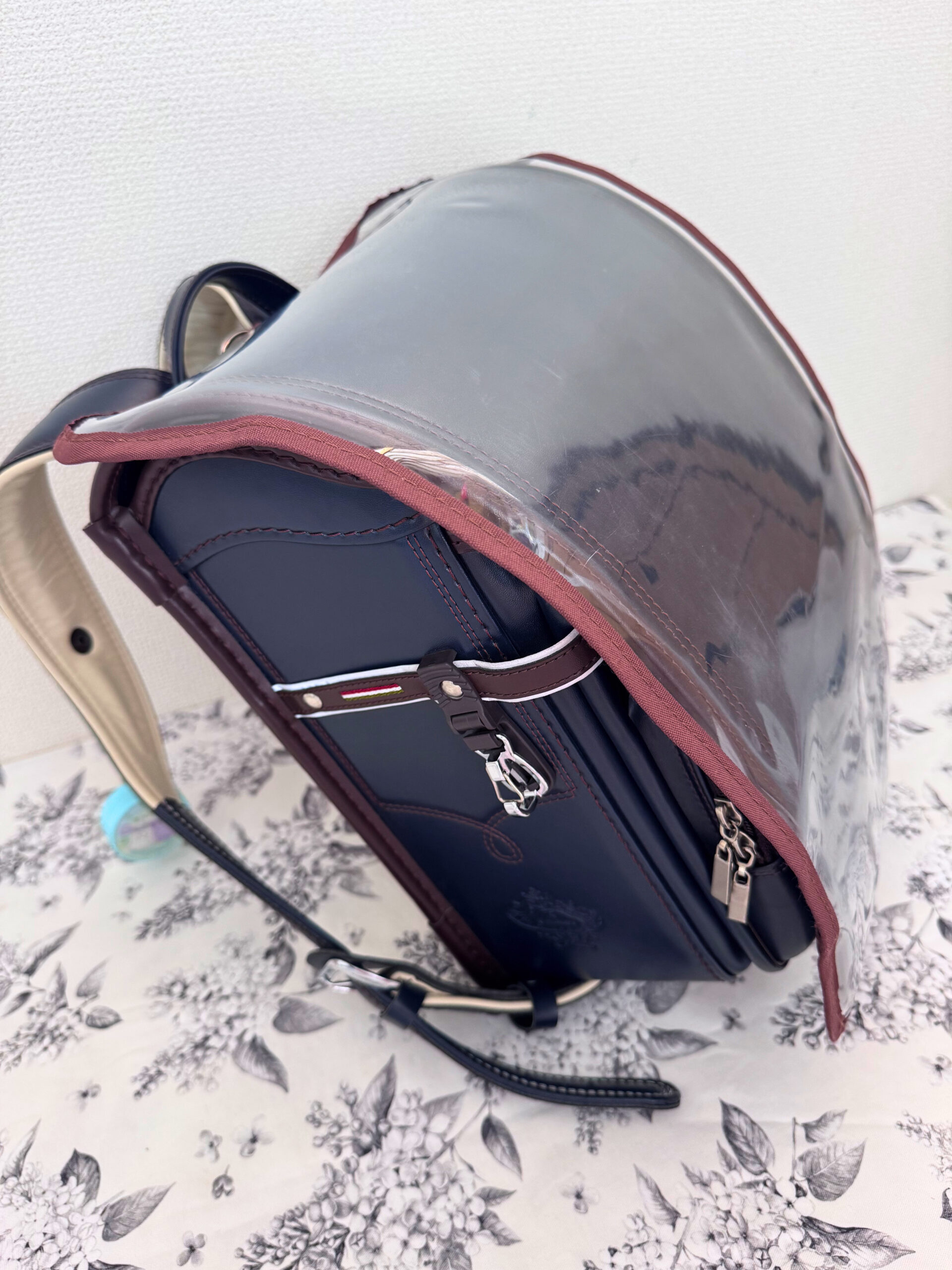
A randoseru (ランドセル) is a firm, high-quality backpack designed specifically for Japanese elementary school children. Made from leather or synthetic materials, they’re built to last all 6 years of elementary school — and they do! My child’s randoseru is from Orobianco — an Italian-inspired brand that’s become popular in Japan for its sleek design and quality construction.
The randoseru has a rigid frame that protects books and school materials, a structured back panel that distributes weight evenly, and a clip-top flap that opens at the top. It looks almost formal — and in Japan, it kind of is. It’s a piece of equipment that children wear every single school day for six years straight.
How Much Does a Randoseru Cost?
This is usually what shocks people the most. A quality randoseru typically costs between 30,000 and 70,000 yen — roughly $200 to $500 USD. High-end brands can go even higher. And yet, this is considered completely normal in Japan.
The logic is that you buy once and it lasts six years. A cheap bag that falls apart in a year would cost you more in the long run — both financially and in hassle. Japanese parents take the randoseru choice seriously, researching brands, materials, and colors months in advance. Some grandparents traditionally buy the randoseru as a gift when grandchildren start school — it’s a big moment.
What’s Actually Inside?
Here’s what a typical Japanese elementary school kid carries every day:
Textbooks and notebooks — Japanese kids use physical textbooks for every subject. Math, Japanese, science, social studies, music, moral education. The books are small but there are a lot of them. The randoseru’s rigid frame protects everything from getting bent or damaged.
A pencil case — Japanese pencil cases are often zip cases with multiple compartments. Kids are expected to have pencils (sharpened, always), an eraser, a ruler, and colored pencils for art.
A bento box — packed by mom or dad every morning. This goes in the randoseru along with chopsticks in a cloth chopstick case, and sometimes a small bottle of water.
A cloth bag — Japanese school kids often carry a separate cloth bag (called a randoseru bag or tebukuro) for things that don’t fit in the randoseru itself: PE clothes, art supplies, music instruments like a recorder.
Colors and Customization
For decades, randoseru came in just two colors: red for girls, black for boys. But over the past ten to fifteen years, that’s completely changed. Now you’ll see randoseru in navy, brown, caramel, pink, lavender, green, and even gold. Children often choose their own color at the store — it’s a big decision for a six-year-old.
My child picked a classic color, but watching classmates show up to school in every shade of the rainbow is one of those lovely small changes in Japanese childhood culture. The randoseru is still traditional, but the color choices have become a little bit of personal expression.
Six Years, One Bag
When my child finished elementary school, the randoseru came home worn and scuffed — the metal clasps a little dull, the corners rubbed soft, the inside covered in faint pencil marks. Six years of school days, packed into one bag.
Some families have their randoseru transformed into a small keepsake after graduation — a wallet or keychain made from the same leather. It’s a way of holding onto something that held so much of childhood. I find that very Japanese, and very touching. 🎒