What’s Inside a Japanese Mom’s Bento Box? 🍱
Every morning, before my son heads off to junior high school, I pack him a bento box. He’s told me that opening his lunchbox is always something to look forward to — and honestly, that one sentence keeps me going every single morning.
The One Ingredient I Can’t Leave Out
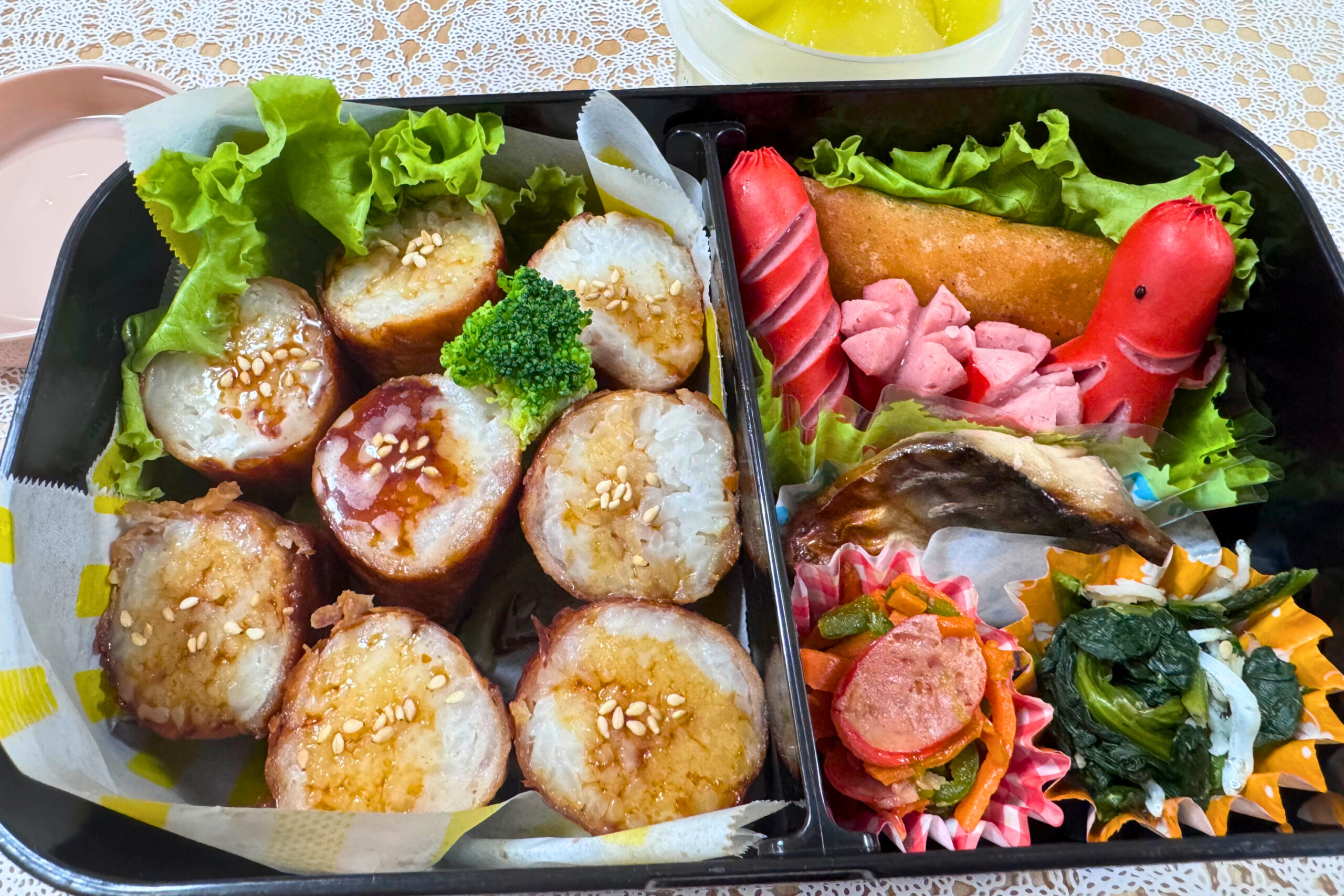
If there’s one thing my son would never forgive me for leaving out, it’s 赤いウィンナー — red mini sausages, the little octopus-shaped ones. You know the ones. Cut at the ends so they fan out into little legs when you cook them in the frying pan. They’re a bento classic for a reason: easy to make, fun to eat, and bright red against the white rice.
Sometimes I wonder if a 13-year-old junior high school boy should have “outgrown” the cute octopus sausages. He has not. Neither have I.
What Else Goes In
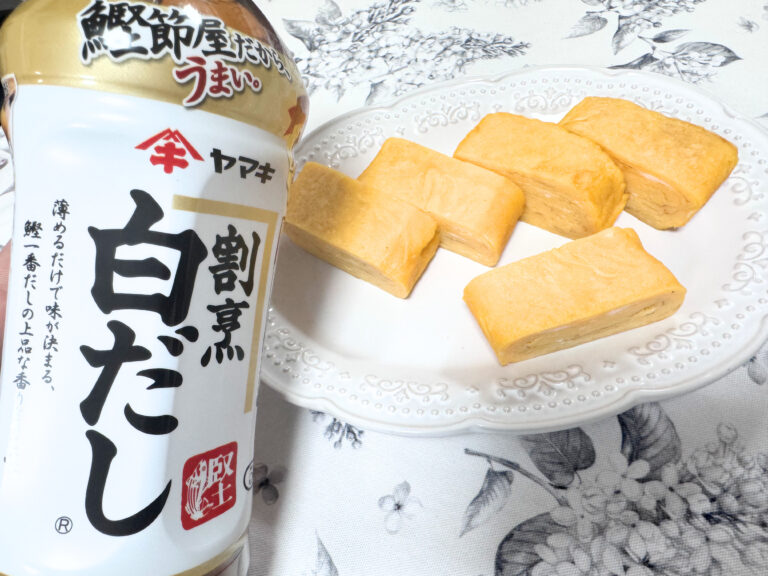
Tamagoyaki. Always. Made with shiro dashi, rolled soft and slightly sweet. It’s the anchor of the box. My son can tell immediately if I rushed the tamagoyaki or made it carefully. Kids are ruthless judges of their bento.
Rice. Japanese short-grain rice, plain or with a pickled plum (umeboshi) in the center. The umeboshi isn’t just flavor — it actually acts as a natural preservative, keeping the rice fresh at room temperature through the school morning.
Broccoli or edamame. Something green. It’s non-negotiable. Color balance in a bento is a real consideration — a box with only beige food looks sad and unbalanced, even if it tastes fine. Green, red, yellow — you want all three if you can manage it.
Something pickled or fermented. Pickled daikon, a few pieces of pickled cucumber, or a small portion of kimchi if my son is in a spicy mood. It adds brightness and cuts through the richness of the other items.
The Real Skill Is Efficiency
People often think bento-making is about artistry — the beautifully arranged character bento you see on Instagram, with little pandas made from rice and nori. That’s real and it exists, but it’s not everyday bento life for most Japanese moms.
Real bento skill is about speed and systems. I make tamagoyaki and mini sausages in about 10 minutes. Rice is already in the rice cooker on a timer. I keep a jar of pickled vegetables in the fridge at all times. The broccoli was blanched in bulk on the weekend and portioned out in small containers.
A good bento is a good system, not a good mood. Some mornings are not good-mood mornings. The system saves you.
Why Japanese Bento Culture Matters
There’s a reason bento culture has been around for centuries in Japan. It’s practical — keeping food fresh and portable before refrigeration existed. But it’s also deeply personal. The bento box a child brings to school reflects their family’s cooking style, their preferences, and their mom’s or dad’s particular way of doing things.
Every family’s bento looks a little different. Some moms are elaborate. Some are minimal. Some kids want their food completely separated. Some don’t care. The bento box is a small, edible portrait of home.
My son’s bento will always have tamagoyaki and octopus sausages. That’s who we are. 🍱